


This project, "Continuing the Light and View," is located in Linkou, New Taipei City. It is a ten-year-old detached house with four floors above ground and one basement level, with a designed area of approximately 85 pings (approximately 330 square meters). The homeowner moved from an apartment building to a detached house, hoping for a smoother flow in the public areas and clearly defined private areas. However, in the original layout, the kitchen on the first floor was too small, the dining room was squeezed by the staircase, and the second-floor corridor was dark and had a fragmented flow. A comprehensive design was urgently needed to reorganize the lighting, flow, and living environment.
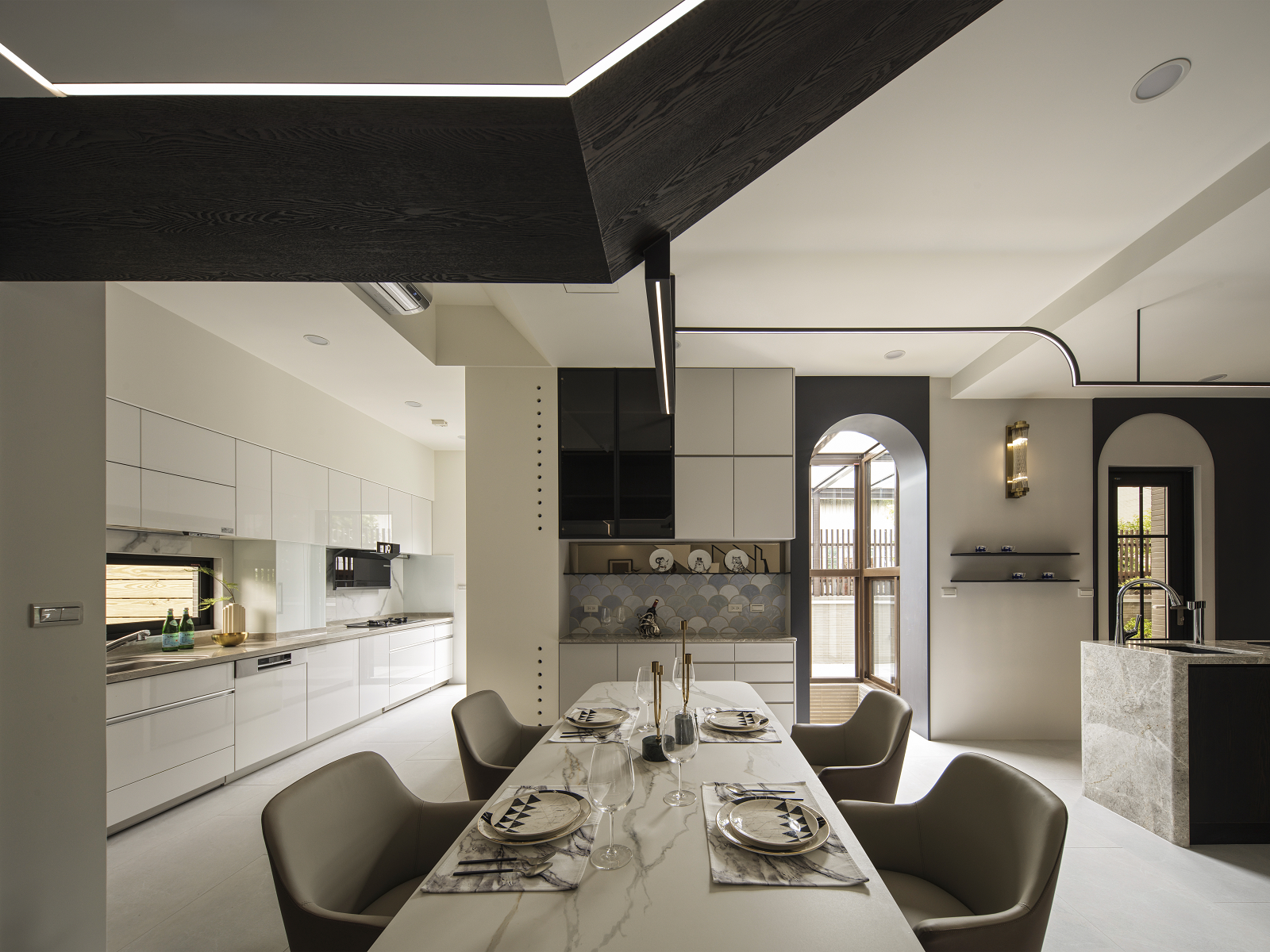
The design inspiration centers on "continuous light and scenery," re-evaluating the relationship between the atrium and the staircase to allow light to extend downwards without being interrupted. The custom-made iron pendant lights in the kitchen and dining area use continuous zigzag lines as their language, starting from the island, passing over the dining table, and then turning to lead to the staircase facade and baseboard lights, forming a "continuous light axis" from horizontal to vertical. This seamlessly connects the lines of sight for cooking, dining, and walking, making the public areas a continuously visible scene under the guidance of light.
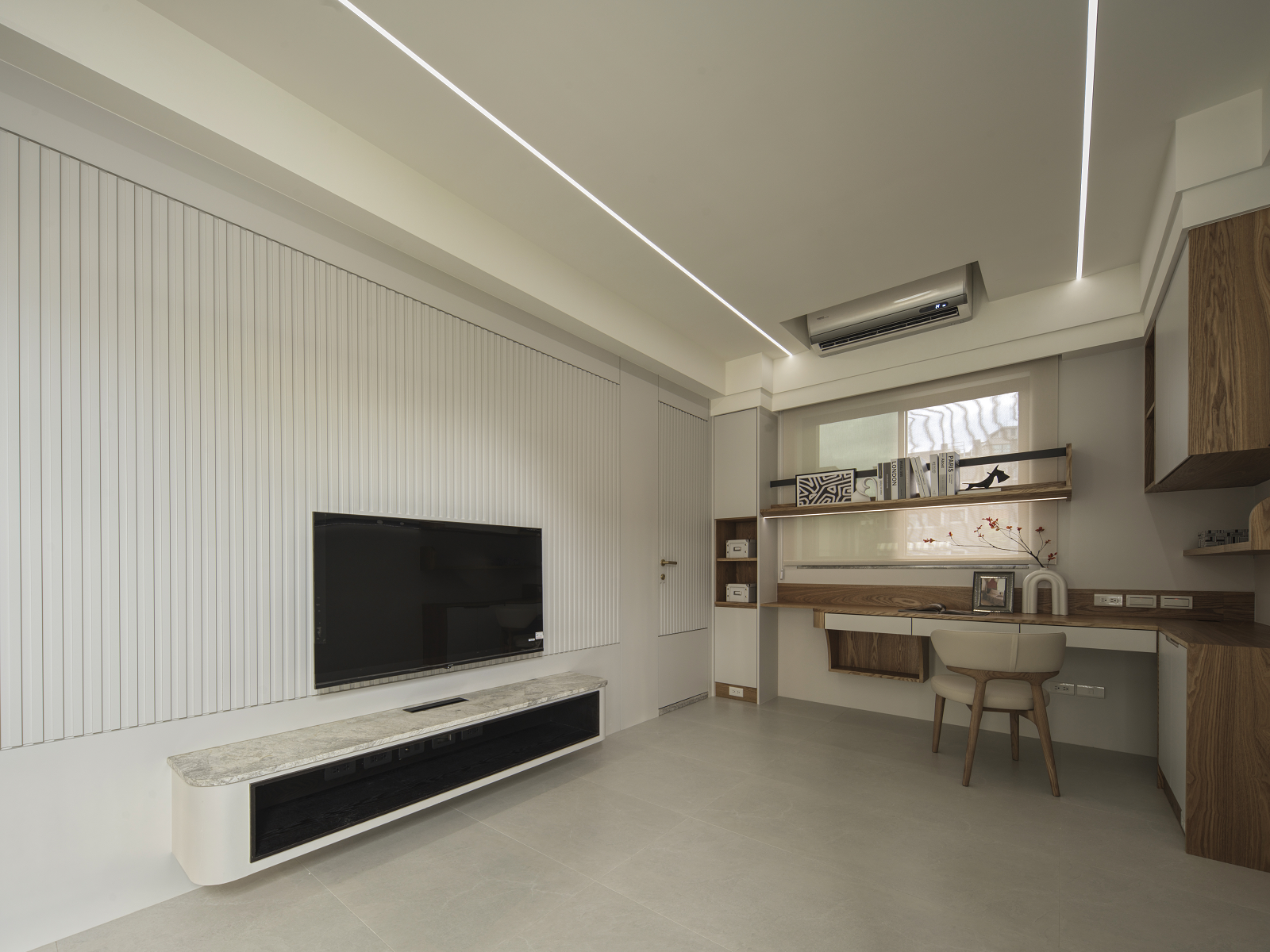
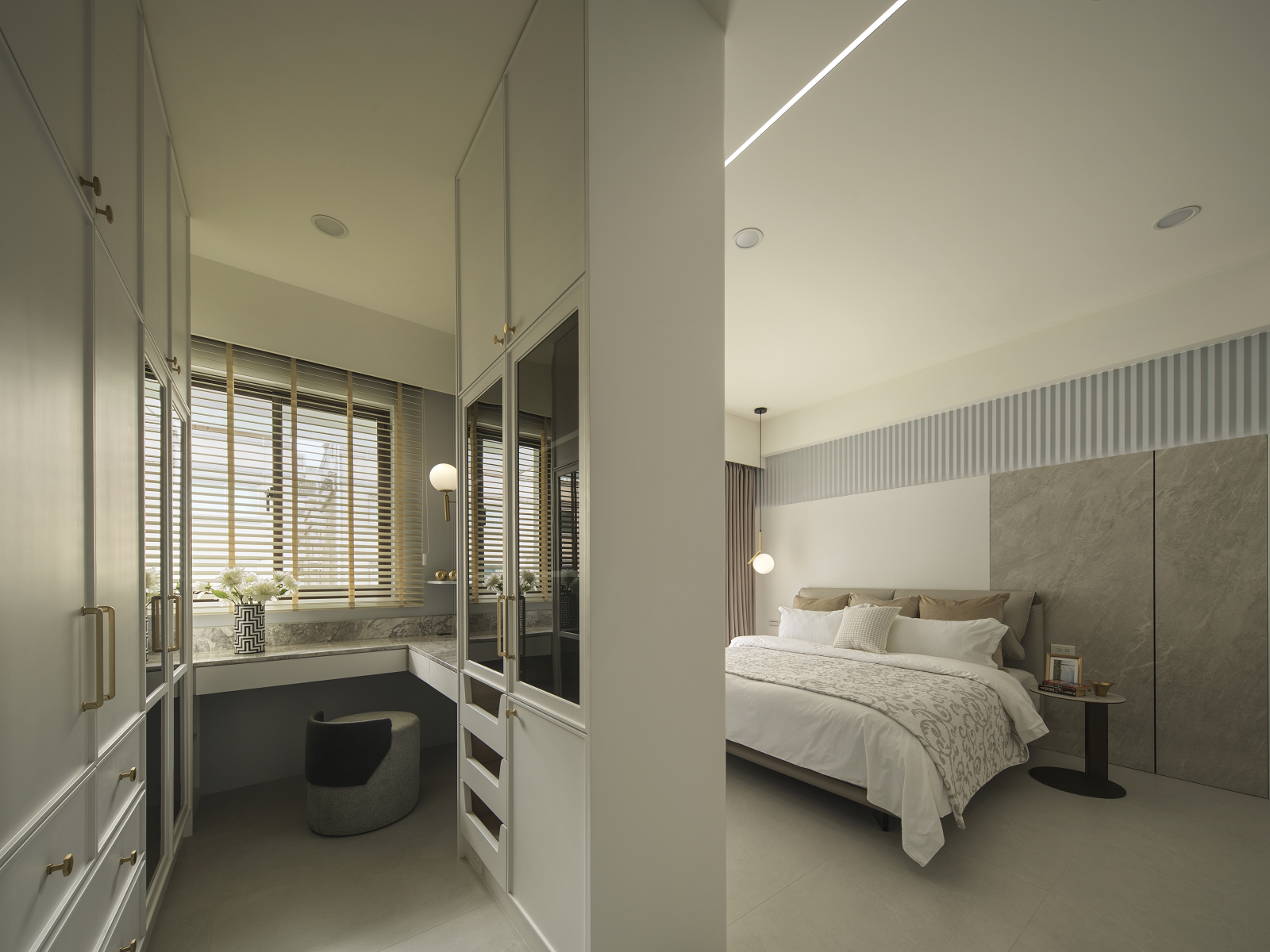
The ingenious design extends throughout the entire building: the basement is planned as a gym, using centralized piping, mirrored walls, and skylights to create a ritualistic flow of light from top to bottom, making exercise not a forced activity, but an anticipated daily routine. The private areas feature four uniquely designed small bathrooms that create a sense of rhythm: clear white and green, soft pink tones, gold-veined stone surfaces, and misty blue-gray, allowing for a shift in mood upon entering. The second and third floors are sequentially furnished with a study and bedroom combination, a master bedroom, and a boy's room, using minimalist design and detailed lines to create a refined yet understated lifestyle.
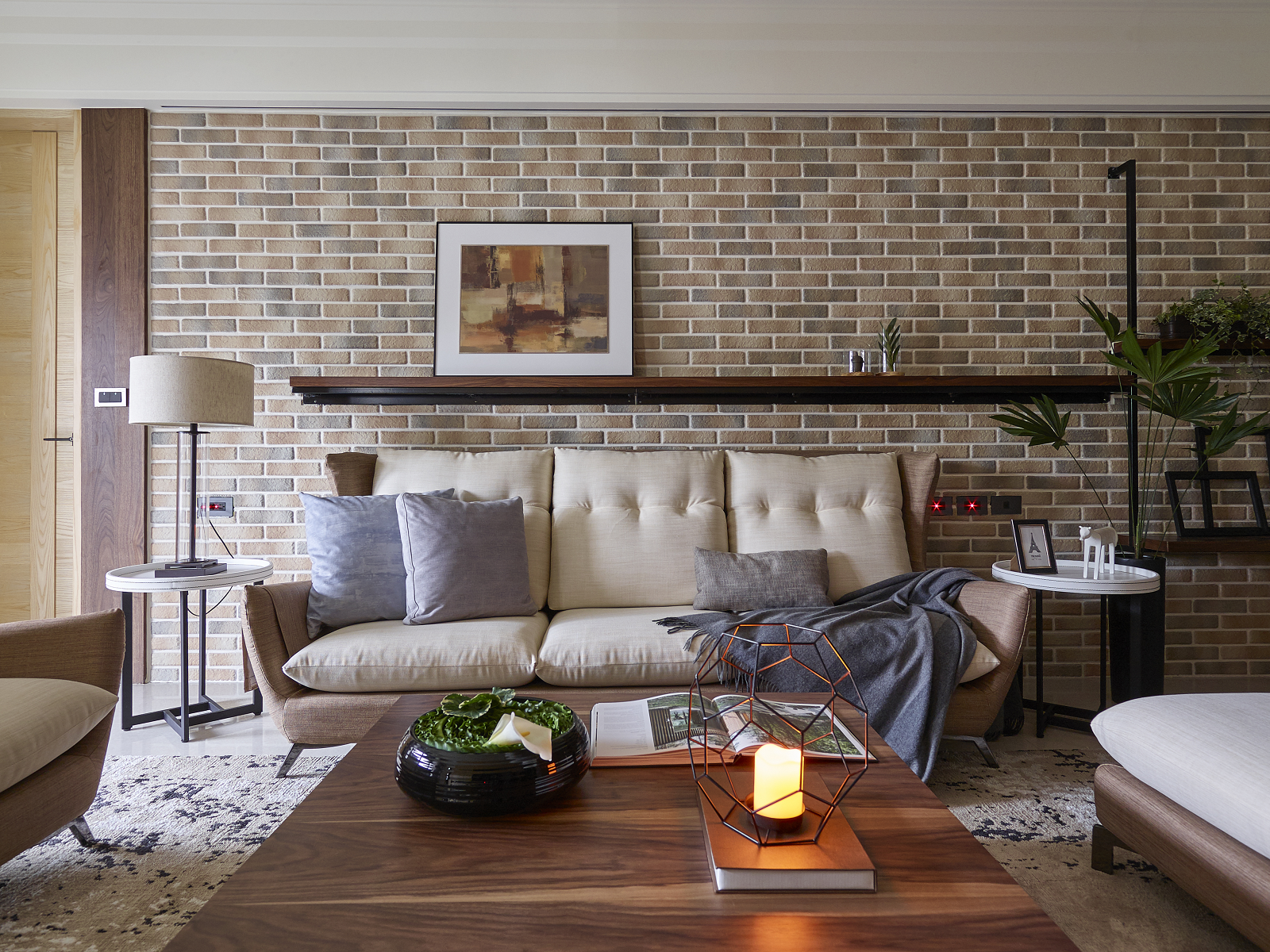
In terms of material selection, the public areas use a black and white base with warm lighting to balance coolness and friendliness; while the private areas use softer color gradations, allowing the texture and luster of the materials to take center stage. Natural wood veneers range from dark to light, paired with metal edging and custom ironwork to outline the contours; marble countertops and large-format tiles combine durability and visual appeal. The entire project uses low-formaldehyde grade boards and healthy-grade paints, and integrates mechanical and electrical systems and maintenance flow, taking into account aesthetics, functionality, and long-term maintenance stability.
Regarding challenges and achievements, despite facing significant changes in water and electricity distribution, uneven ground, and basement height limitations, the design and engineering teams completed the project step by step with precise measurements and phased management, despite the long construction period and manpower pressure. Custom-made iron lighting fixtures were a first-time attempt, requiring cross-disciplinary collaboration and simultaneous style testing, ultimately resulting in a "simple and sustainable" design. After moving in, the homeowner described the clear flow of movement in the public areas, with the path home naturally connecting meal preparation, dining, and conversation; the skylight and LED strip lighting served as visual and behavioral guides; the basement gym saw increased usage; and friends and family praised the various bathroom vignettes and the orderly attention to detail.
This project uses light as a guide and scenery as a continuation, allowing the old structure to be extended in the new life, and also gently placing the family's daily life in layers of light and shadow.